本帖最后由 Nora老师 于 2026-2-22 17:16 编辑
A Complete Guide to SASMO for P3 Parents Understanding the Exam, Trends (2014–2025), and How to Prepare Strategically What is SASMO? How should we prepare for SASMO? There is 12 past year papers with 25 questions each, is it necessary to do all of the questions to do well? Is it efficient? What is the trend of the topics that is tested in SASMO in the recent years? Here in our article, we will answer all of the questions that all parents have.
What is SASMO? SASMO stands for the Singapore and Asian Schools Math Olympiad. It is one of Asia’s largest international mathematics competitions, organised by the Singapore International Mastery Contest Centre (SIMCC). SASMO is designed to: Develop logical reasoning and higher-order thinking Challenge students beyond the school syllabus Prepare students for advanced competitions such as SMO and other Olympiad-level contests
Exam Format (Primary 3 Level) 90 minutes Section A - 15 multiple-choice questions (2 points for each correct answer, 0 for unanswered and -1 for each wrong answer) Section B - 10 Non-routine questions (4 points for each correct answer, no penalty for wrong answers) Total 85 points (to avoid negative scores, each student will begin with 15 points).
Prizing System SASMO uses a performance-based award structure: Perfect Score Award (Full marks) qualifies for significant award for IJHS and 100$ cash. Gold Award (Top 8%) qualifies for significant award for IJHS Silver Award (Next 12%) Bronze Award (Next 20%) Honourable Mention (Next 10%) Certificate of Participation (Next 50%)
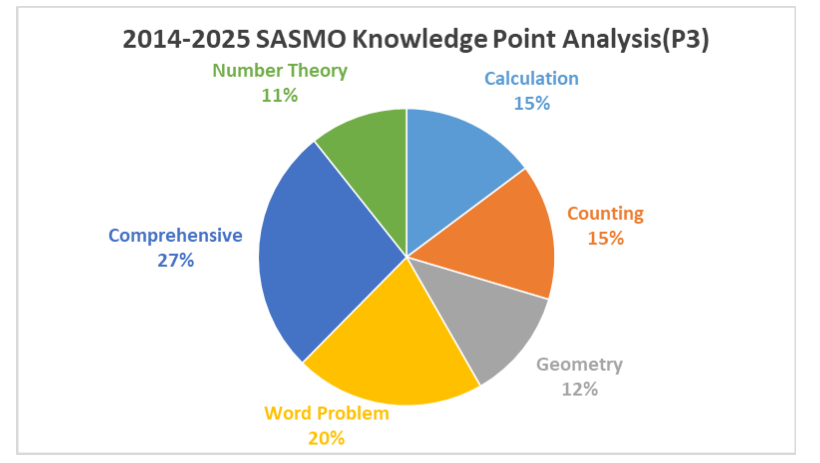
What Does SASMO Test Most Frequently? (2014–2025 Analysis) Across 12 years of papers (2014–2025), six major modules consistently appear: Comprehensive Word Problem Calculation Counting Geometry Number Theory
Key Insight for Parents:
From the pie chart above, we can see that Comprehensive, Word Problem, Calculation and Counting are the 4 most frequently tested topics in SASMO from 2014 to 2025 on average. Nearly half the paper (48%) comes from just two modules, Comprehensive and Word Problems. Strategic preparation should focus strongly on these areas.
Topic Breakdown & What Your Child Must Master Below is a structured summary of the top three most important topics in each module, based on frequency analysis from 2014–2025. At the end of this guide, we will provide a curated practice booklet titled: “SASMO P3 Strategic Mastery Workbook”
A. Comprehensive (27%)
This module includes Logical Reasoning, Number Puzzle, Number Pattern, Figure Pattern and Figure Number Pattern and so on.
Most Important Topics:
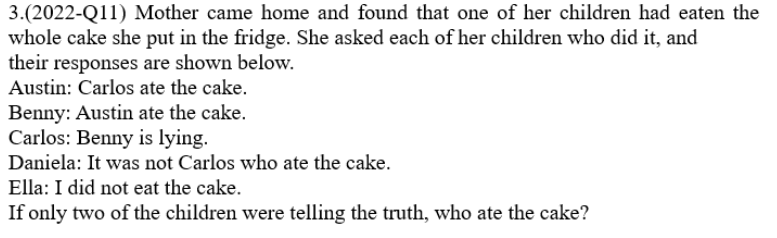
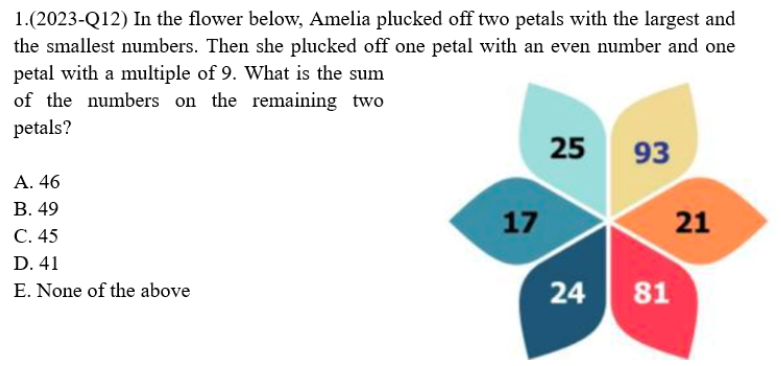
Logical Reasoning (26%) At least one question appears every year from 2014 to 2025! Logical Reasoning often tests Truth-False Statements and Deduction skills in Numbers. Some examples are as follows:
The first question is a Truth-False Statement question, and the second is a Deduction question, students need to deduce which number of the petal is plucked based on the conditions.
Number Puzzle (19%)
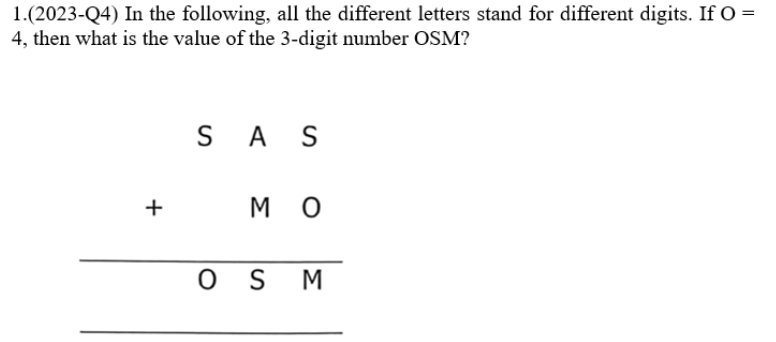
At least one question every year from 2014 to 2025 as well. Some examples are as follows:
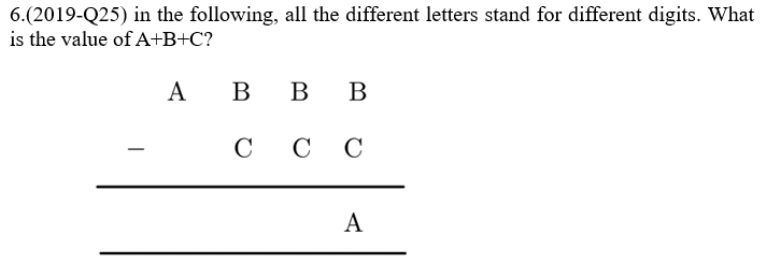
These are some typical types of Number Puzzle questions. Guess and Check is one of the basic methods, and if students know the Golden Triangle method (or the ‘1 0 9’ method), then they can solve the question easily, for example for the 2019Q25, students can solve it immediately using this method.
Number Pattern (12%)
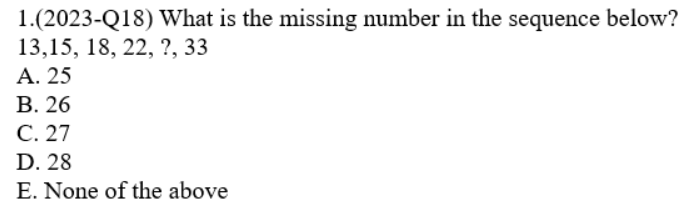
At least one question from 2014 to 2023. Usually these questions are simple and most students can get them correct. Some examples are as follows:
Students need to identify the patterns and give the next number.
Important Insight: From analysis, at least ONE Logical Reasoning, ONE Number Puzzle, ONE Number Pattern question will appear in every SASMO paper.
B. Word Problems (21%) There are various types of word problems like Sum-Diffference-Multiple Problem, Period Problem, Working Backwards, Age Problem, Page Number Problem, Worker Problem and so on.
Most Important Topics:
Sum–Difference–Multiple (SDM) (28%)
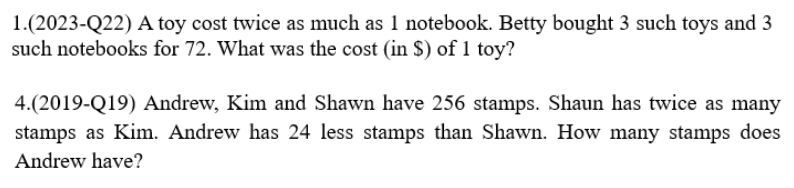
Appears every single year. Core Olympiad skill involving comparison and relationships and highly related to Age Problem as well. Some examples are as follows:
For all SDM problems, students need to draw model to solve them. For the first question, it is a very typical Sum-Multiple Problem, drawing model can solve them easily. For the second question, it is a Sum-Difference-Multiple Problem but a harder variation, this question has 3 objects inside, which normally only have 2. Drawing Model can solve it as well.
Period Problem (13%)
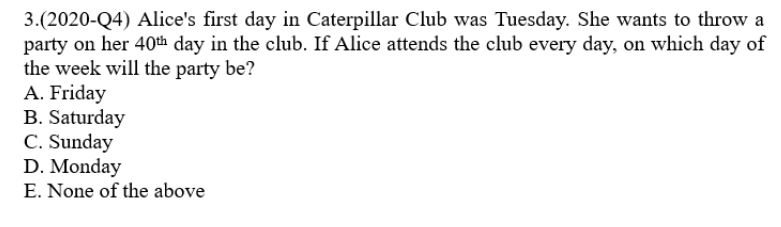
Most of the problems tested are Calendar Problems. Appeared every year from 2015–2021.
Students need to understand how Calendar Period Problems work and how to identify the pattern of a week and months.
Working Backwards (7%)
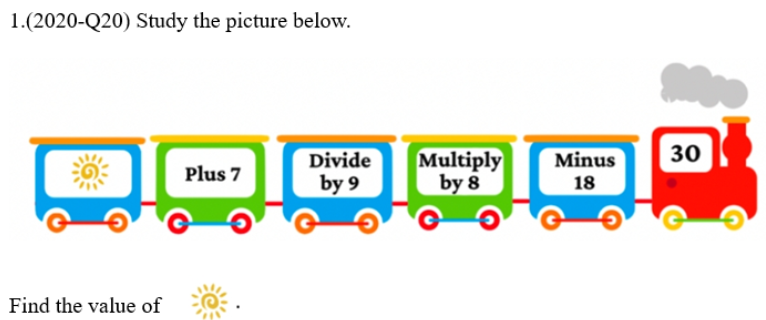
Gives Process and Result and wants students to find the initial part.
A very typical Working Backwards Problem. Student needs to start from the back and reverse the operations to get the initial number.
Important Insight:
At least ONE SDM question appears EVERY YEAR. This is the single most important Word Problem type.
C. Calculation (15%)
There are a few topics tested, for example, Equivalent Substitution, Clever Calculation, Define new operations, Arithmetic Sequence, Fraction and so on.
Most Important Topics:
Equivalent Substitution (24%)
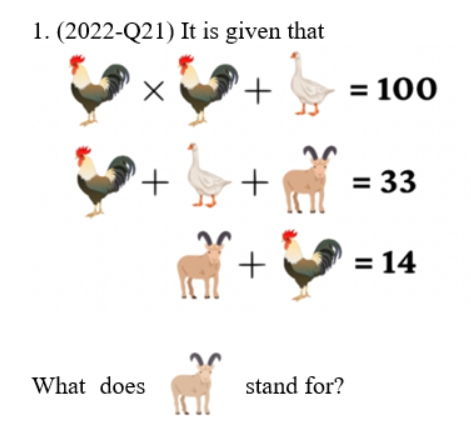
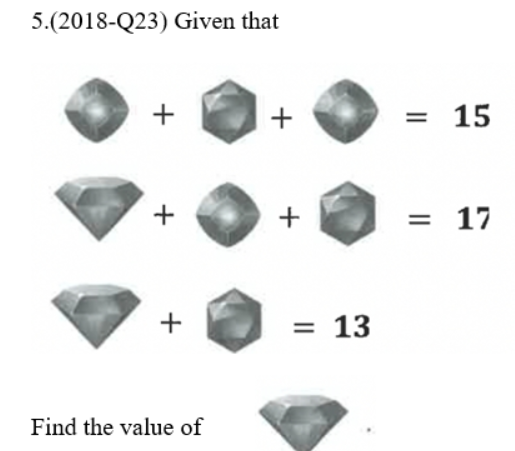
Frequently tested from 2017–2020 and 2022–2025.
The 2 questions above are typical Equivalent Substitution questions. Students need to compare between 2 equations and find the value of one of the images to get the answer.
Clever Calculation (22%)
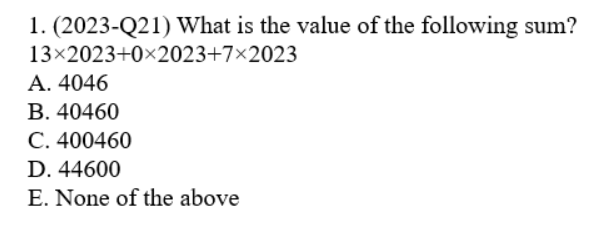
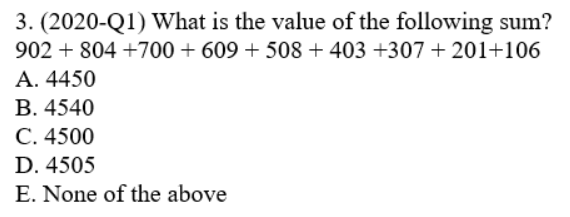
Tested every year from 2016–2025. Involves complicated multiplication, addition and subtraction.
These are typical Clever Calculation questions. They require students to understand how to pair numbers that are easy to calculate first instead of going from left to right.
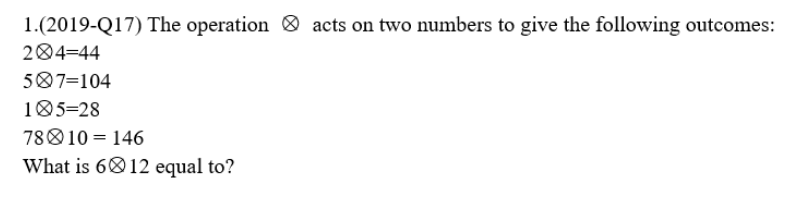
Define New Operations (11%)
Questions often give new operations, and students need to be able to accept it and use them directly.
Important Insight: Students must be comfortable manipulating expressions creatively, not just computing directly.
D. Counting (15%)
Under Counting, there are topics such as Enumeration, Figure Counting, Counting Principle, Head Scale Method and so on.
Most Important Topics:
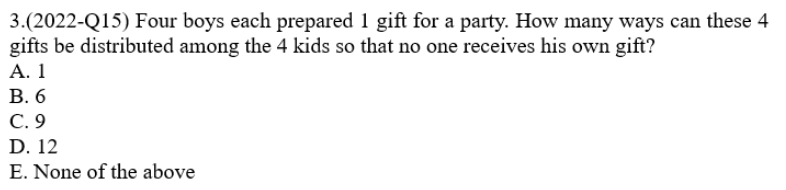
Enumeration (37%)
Often appears with 2 questions in a single year. SASMO strongly favours this type.
Students need to list down with order and understand whether order matters or not based on the scenario of the question.
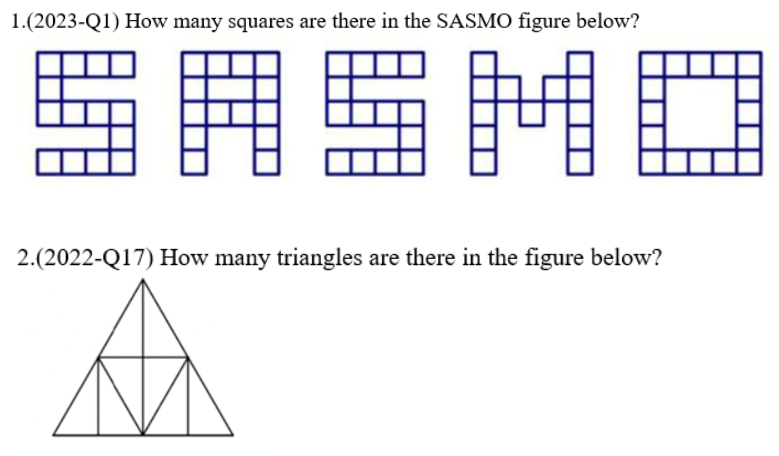
Figure Counting (28%)
Tested every year from 2015–2025. A very important topic.
Students need to list with order and consider different cases, single triangles, 2 triangles combined, 3 triangles combined and so on.
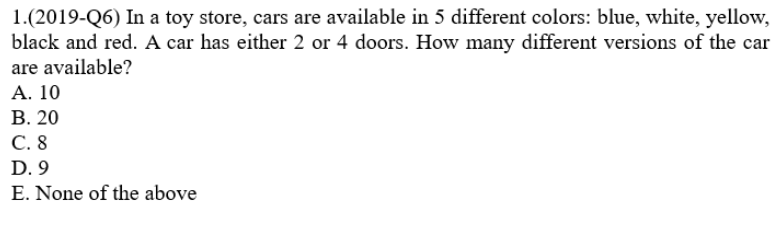
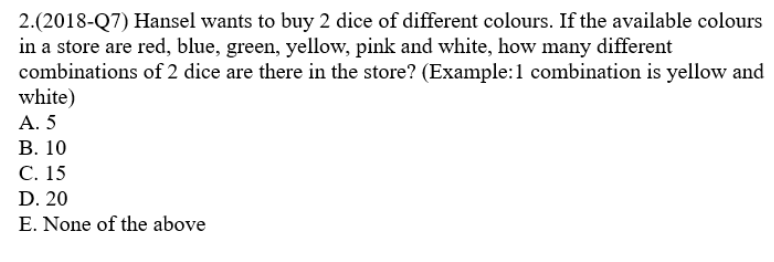
Counting Principle (19%)
The questions test fundamental combinatorics logic, tested consecutively for the recent 3 years.
Students need to know the basic counting principle. For example for 2018Q7, how many ways to choose if I choose red first. Then it's the same number of ways if I first choose blue, first choose green and so on. So students have to multiply the ways together.
Important Insight:
Counting requires listing with order and correct method, messy listing leads to errors.
E. Geometry
For Geometry, the topics frequently tested are Graphic Comparison, Area, Perimeter, 3D Transformation and so on.
Most Important Topics:
Graphic Comparison (26%)
Tested consecutively from 2016 to 2019 and 2022 to 2025.
Students need to identify which part is different for each shadow and eliminate all of them.
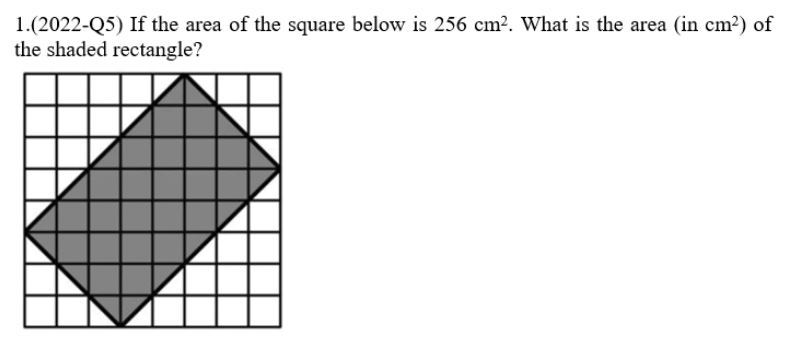
Area (20%)
Tested consecutively from 2020–2025!
Students need to first find the area of one square, then find how many shaded squares are there to find the area of the shaded rectangle.
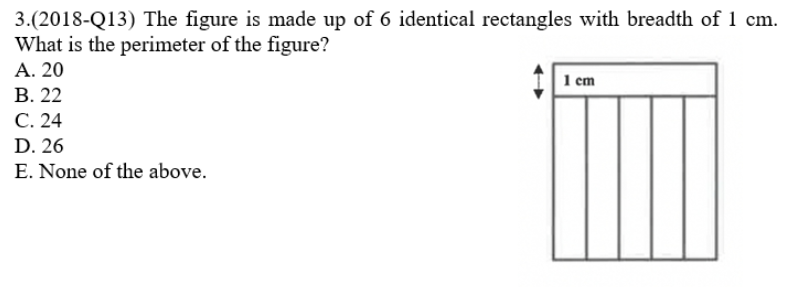
Perimeter (20%)
Tested consecutively from 2015 to 2020.
Students need to find the width of the rectangle and label them correctly to avoid careless mistakes.
F. Number Theory
Finally, we have Number Theory. Under it, we have Multiple and Factor Problem, Divisibility Rules, Digit Value Problems and so on.
Most Important Topics:
Multiple & Factor Problems (42%)
Tested every year from 2015–2025.
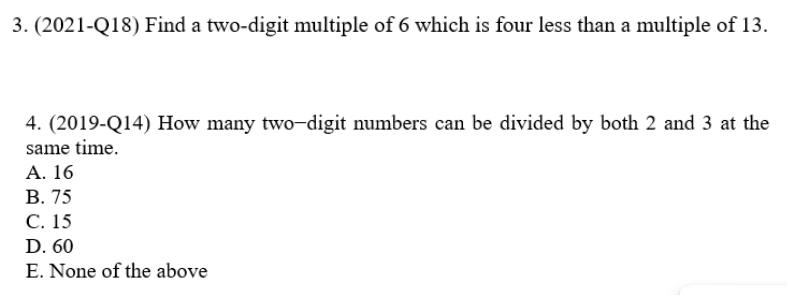
Students need to be familiar with the concept of multiple. For example, divided by both 2 and 3 at the same time means they need to be divided by 6.
Divisibility Rules (29%)
Tested every year except only 2024.
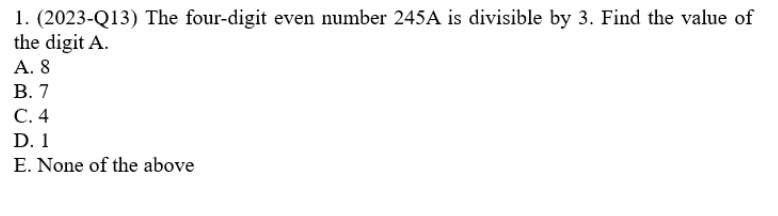
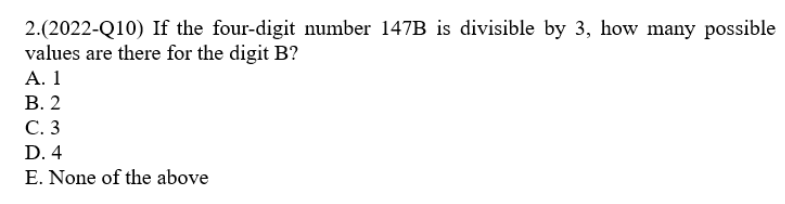
Students need to know the divisibility rules for numbers. For example, a number is divisible by 3 if the sum of the digits are divisible by 3.
Digit Value Problems (23%)
The questions test students' understanding about the concepts of digits.
Future Plan for SASMO
After the Spring Cup Math Olympiad held by us on 28th of February, we will organize open classes about some most frequently tested topics and that are struggled most by students, namely Counting Principle and Divisibility Rules. For the other topics, such as Number Puzzle, Area, Perimeter and Enumeration, we will create videos to explain these topics. For topics such as Logical Reasoning (True False Statement), SDM Problem and Age Problem, we already have videos explaining them, below are the links:
That’s all for today’s sharing on the SASMO 2014-2025 Analysis. Please find the SASMO P3 Strategic Mastery Workbook below as well. If you or your child have any questions, feel free to leave a comment anytime or contact me at +65 89168068, once I see it, I’ll reply right away!
 SASMO P3 Strategic Mastery Workbook.pdf
(978.59 KB, 下载次数: 165)
SASMO P3 Strategic Mastery Workbook.pdf
(978.59 KB, 下载次数: 165)
| 


 发表于 2026-2-22 15:27:55