S1—The Start of Secondary Geometry
1. Secondary Geometry is More Challenging than Primary Geometry
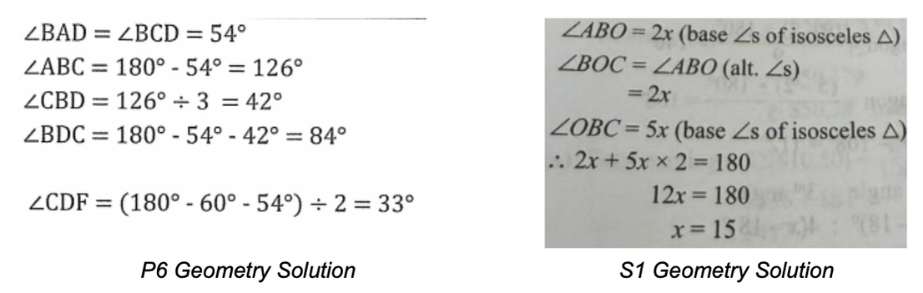
Secondary Geometry introduces formal proofs and often requires the use of algebra to solve geometric problems.
2. S1 Geometry is the Core Foundation
All Geometry topics such as Congruence and Similarity, Trigonometry, Circles, and Mensuration require strong foundations built at this stage.3. S1 EOY is The First Major Exam of Secondary Math
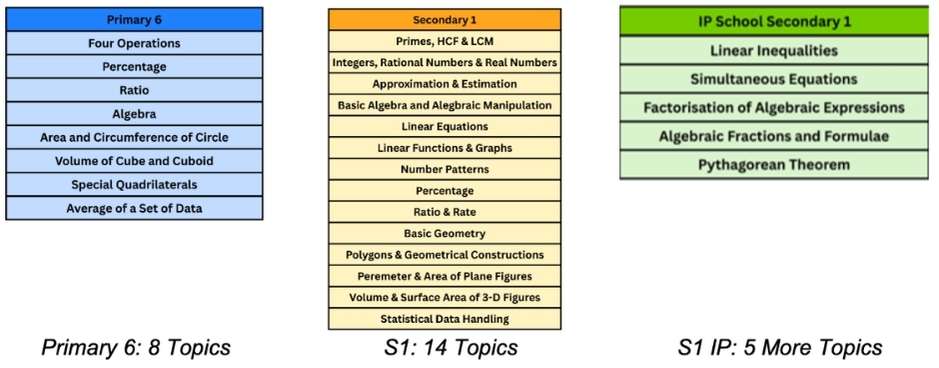
Compared to Primary School, S1 covers many more topics, and students must remember how to apply methods across all of them.
How Kangaroo Study Helps S1 Students Learn Geometry Well
1. Model Teaching Method
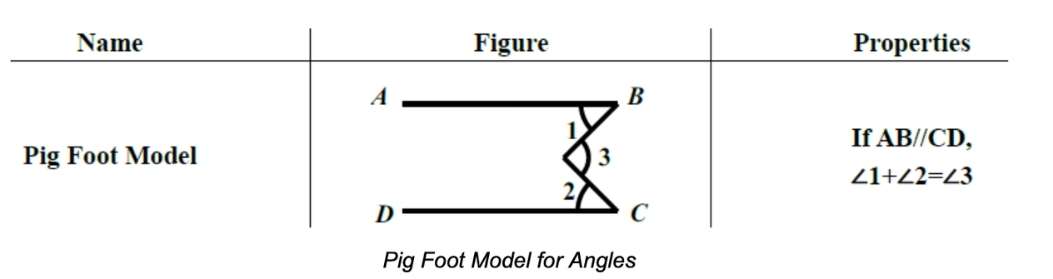
Models help students skip unnecessary thinking. By recognising familiar patterns, they can quickly identify the correct approach instead of guessing.
2. Root Cause Teaching Approach
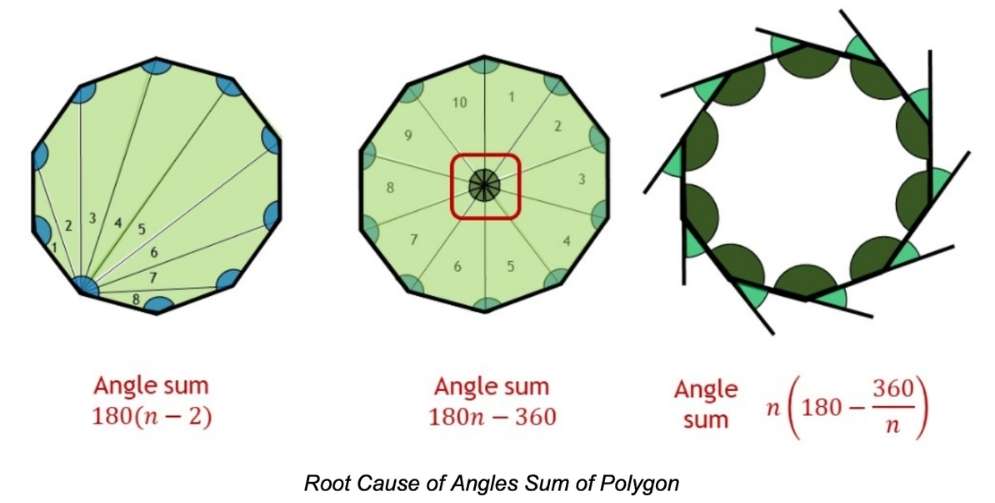
Root understanding ensures students truly understand the reasoning. We do not just teach them what to do, but why it works — why this model applies, why this auxiliary line is drawn. We want students not only to know how, but to know why. When they understand both, they can think independently and handle unfamiliar questions with confidence.
3. Systemic Teaching of Subtopics
Geometry covers many interconnected topics. If students learn them in a random order, gaps quickly appear. We guide students step by step, ensuring each concept builds on the previous one. Along the way, we help students organise and summarise what they have learnt, so their understanding remains structured and complete.
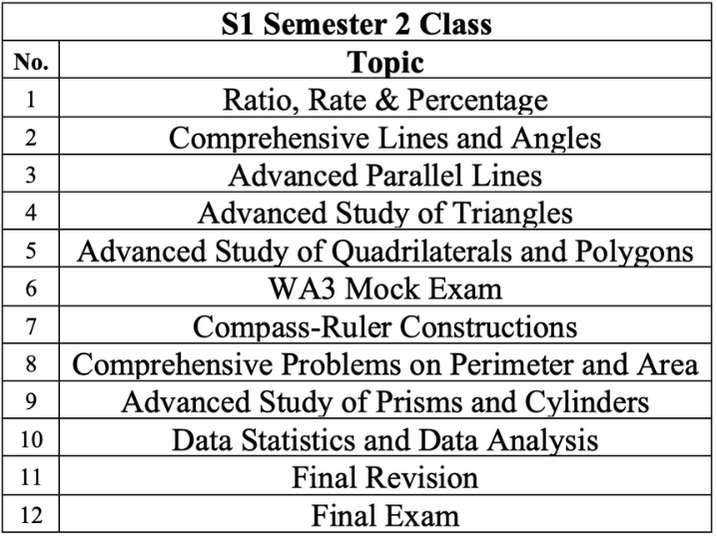
Kangaroo Syllabus
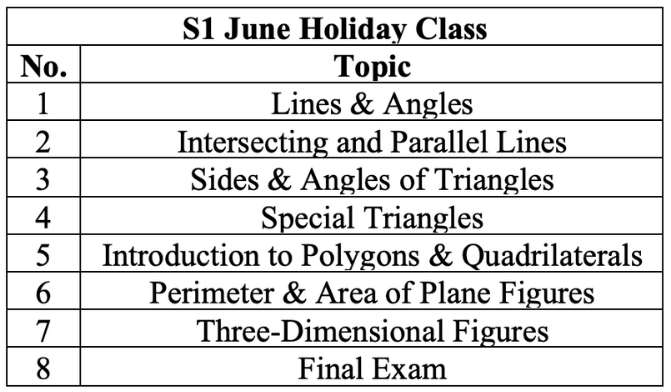
We teach topic by topic to ensure students develop strong and deep understanding in every concept.
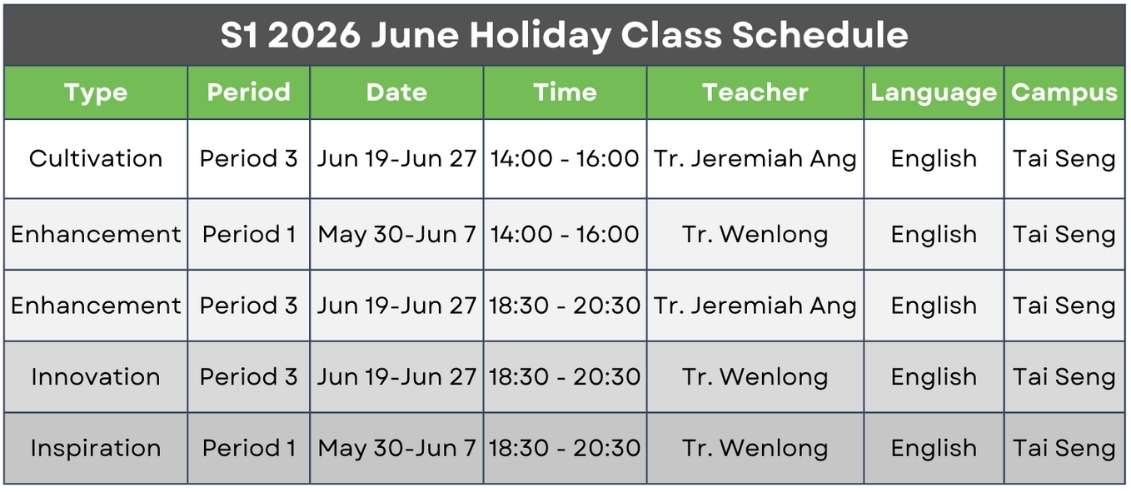
The June Holiday Class focuses on pre-learning key topics, giving students a head start before the school term begins.
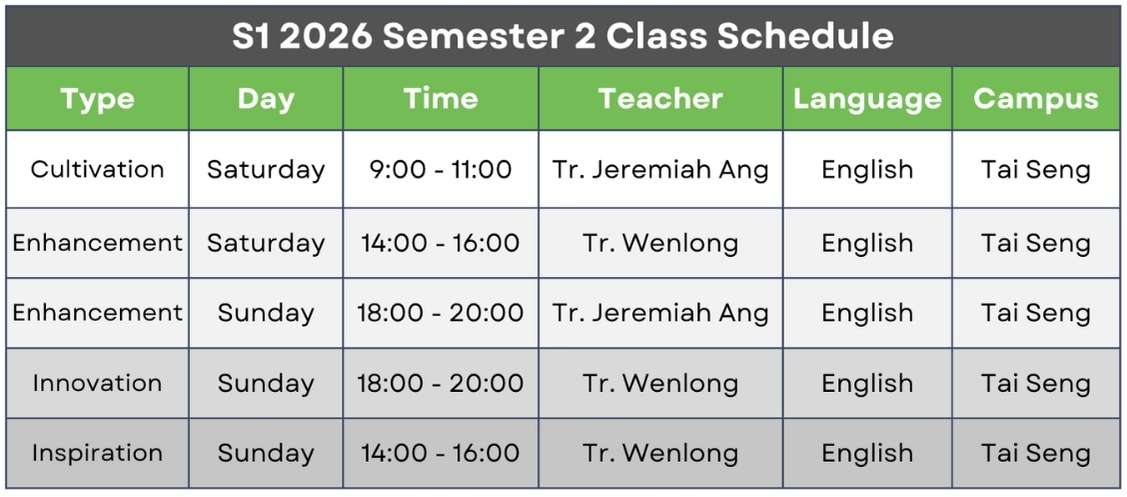
The Semester 2 Class goes deeper into each topic and reinforces learning through structured revision, which is crucial for mastery and exam readiness.
Teaching Approach
(1) Three Key Features
① Parents Can Observe Classes:
Each enrolled student may bring one parent to sit in during lessons. Parents can observe their child's learning progress, take notes, and understand the course content, provided they do not disrupt the class.
② Refund Policy:
Students may withdraw from the course at any time and receive a proportional refund.
③ Dual-Teacher Classroom:
Each class has a lead teacher and a teaching assistant. The lead teacher delivers the lesson, while the assistant tracks student progress and provides updates of the lesson
(2) Teaching Principles
① Guidance,Not Pushing
· Never directly provide solutions to problems.
· Never force students to memorize formulas mechanically.
· Ensure every student understands the reasoning behind methods.
② Without Understanding, No Leaving
Students must correct the following before leaving:
i. Homework
i. Classwork exercises
iii. Before/after-class test
③ Sense of Achievement
· Never blame students for making mistakes.
· Never question students' abilities.
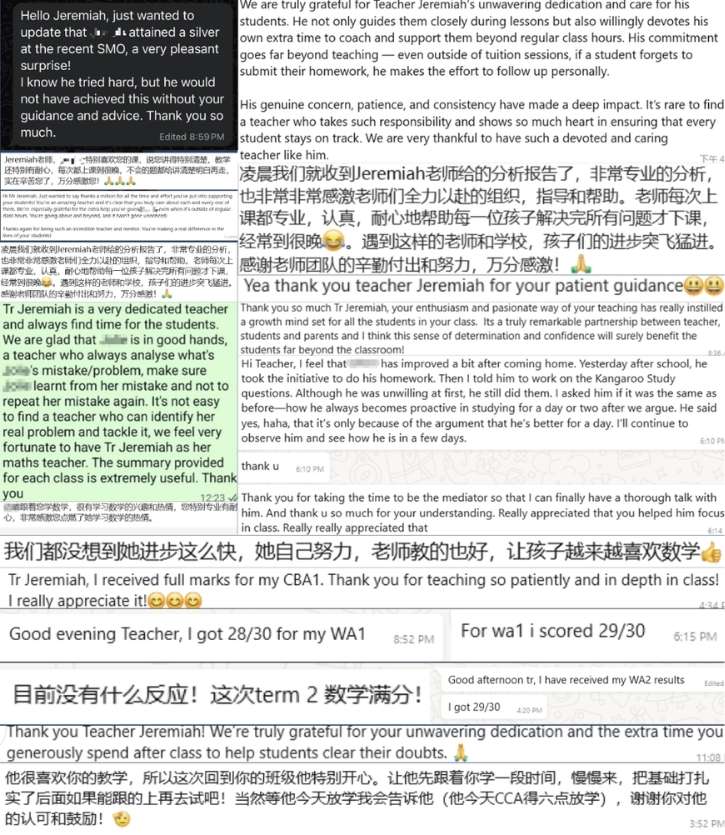
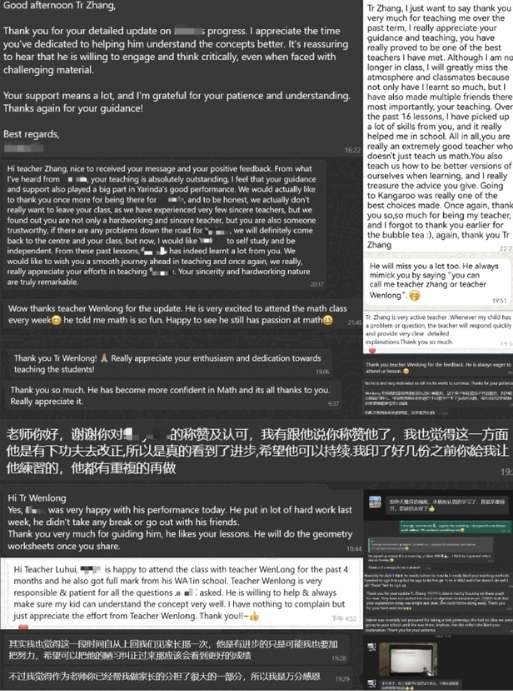
· Foster Student’s interest in learning through encouragement and praise
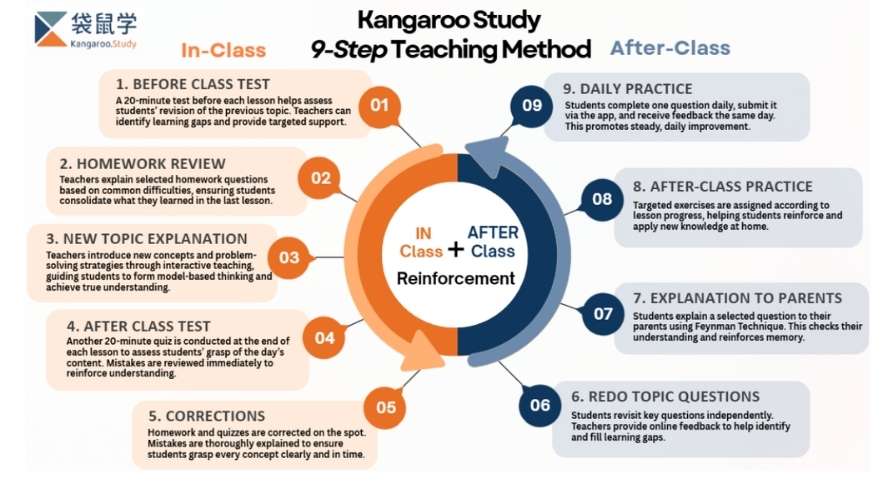
(3) Nine-Step Learning Process



 发表于 2026-3-5 17:30:26